Emergencies hardly ever introduce themselves. They show up in the area in between a sharp consumption of breath and a racing pulse, at a barbeque when a close friend starts choking, on a sports area after a negative collision, or in a quiet living-room where an older relative suddenly slumps to the floor. In those minutes, what you carry out in the initial few minutes might change the rest of a person's life. That is the pledge and objective of a first aid course: to turn bystanders right into capable very first responders that can bridge the essential gap before physician arrive.
I have educated and revitalized first aid training for years, throughout work environments, area teams, young people sporting activities, and remote environments. The pattern never ever differs: people get here uncertain, hands a little shaky throughout the initial collection of compressions, voices uncertain when ruling out back injury or choosing whether to use an epinephrine auto-injector. By the end of the day, their posture has altered. They choose faster. They speak up. The capability is necessary, yet the shift in frame of mind is what matters most. Confidence, secured to exercise, saves lives.
The minutes that matter
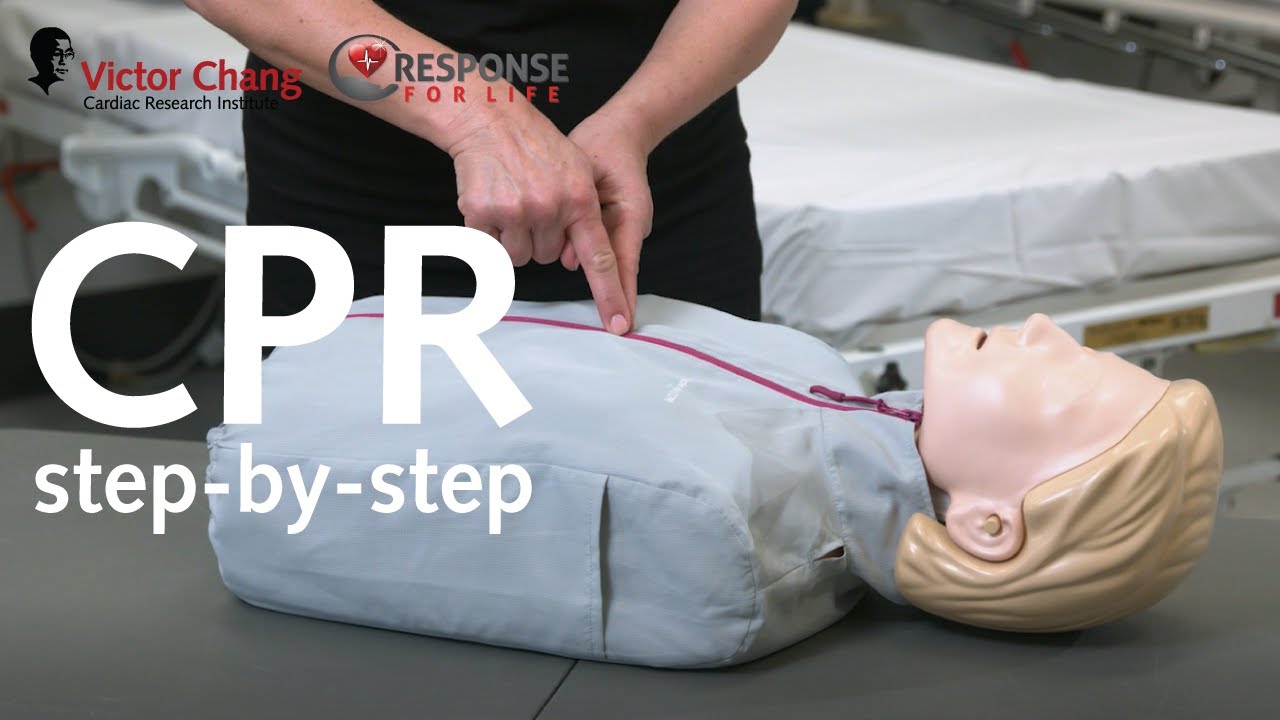
When someone's heart stops, every minute without cardiopulmonary resuscitation drops their possibility of survival by roughly 7 to 10 percent. That is not a scare technique, simply physiology. Oxygen does not wait on a rescue. A cpr course gives you a basic toolkit that acquires time: reliable breast compressions, rescue breaths when shown, and the capability to use a computerized external defibrillator without screwing up. Excellent cpr training debunks the device. It likewise educates your hands to discover the breast bone fast, lock your shoulders, and press to the correct depth and price. You will certainly exercise keeping the pace, approximately to the beat of tracks numerous trainers make use of as a memory aid.
Breathing emergencies comply with a comparable reasoning. Choking from a trapped item of food, an asthma assault, or an allergic reaction advances in minutes. Quick acknowledgment and definitive action matter greater than clinical lingo. In a first aid and cpr course, you learn to cut through panic: "Can you cough? Can you speak?" If the answer is no, you act. If anaphylaxis is presumed, you provide the auto-injector and call emergency situation solutions, then check for a biphasic response. These are not abstract actions. They end up being muscle memory because you have done them, in turn, under the eye of a teacher that remedies your grasp, stance, and voice.
What an extensive first aid course actually covers
Quality first aid courses have a rhythm: assess, decide, act, reassess. The educational program varies somewhat by company and region, however the essentials are consistent and sensible. You will certainly cover scene security, primary and second surveys, air passage administration, bleeding control, shock, burns, cracks and strains, head and spine problems, temperature-related injuries, medical problems like diabetic issues and seizures, and certainly first aid and cpr skills with AED use. Advanced options add oxygen administration, naloxone training, and specialized modules for remote or risky environments.
Skilled instructors concentrate on real-world issue solving, not rote memorization. You will certainly practice utilizing what is at hand: a coat as an improvised sling, a Tee shirts as a pressure dressing, a backpack to incapacitate an arm or leg. You will certainly find out to triage focus when there are multiple issues and just two hands. You will certainly ask consent to aid when the person is responsive, and you will understand implied permission when they are not. You will likewise discover to stop when the scene modifications, or when a greater level of treatment takes control of. These borders are as crucial as the interventions themselves.
For those that need a formal credential for work or offering, a first aid certificate records that you have fulfilled a standard. Several companies require it, from building sites to childcare facilities, fitness centers, and security duties. Volunteers at neighborhood events commonly require first aid and cpr courses as component of their onboarding. Certification periods differ, yet commonly run one to three years, after which a cpr correspondence course or full revival keeps your abilities and documentation existing. The expertise discolors without use, and standards evolve with new proof, so refresher courses matter.
"I believed I would certainly ice up" - the self-confidence effect
The greatest obstacle to activity is not lack of knowledge. It is worry of doing the incorrect thing. I have seen strong, capable adults hesitate while someone gasps across from them due to the fact that they fret they might make it even worse. Training inoculates you against that freeze. Repeating removes mental clutter. You stop negotiating with on your own and follow the algorithm you exercised: examine responsiveness, phone call for help, start compressions. A first aid course often includes scenario-based training where a straightforward call comes to be intricate the minute you arrive, the way it occurs in reality. Possibly the flooring is unsafe with spilled cooking oil. Possibly the individual has a medic sharp bracelet and a glucose monitor. Perhaps relative hover and discuss each various other. You find out to anchor on your own to the steps that matter most.
One of my trainees, a quiet professional who had never ever utilized his voice in a crowd, led a choke rescue in a stuffed snack bar 3 weeks after his training course. He told me later that he did not remember thinking, only moving: "I heard myself claim I'm learnt first aid, might I help, and traveling CPR and first aid courses then I lagged him." That is what we are after. Not heroics, simply readiness.
Deciding amongst first aid courses: what to seek, what to avoid
The market has lots of choices, from purely on-line lessons to immersive, hands-on sessions. Each has a place, however the gold requirement for useful preparedness entails actual practice and feedback. If you are choosing a service provider, search for a few basics:

- Hands-on time with manikins and AED instructors, with an instructor who observes and corrects you. Scenarios that cover both single-patient and multi-factor events, not only book problems. Clear alignment to acknowledged standards for cpr courses and first aid, with certificate credibility that fits your needs. Reasonable student-to-instructor ratios so you are not waiting half the class to practice. Pathways for ongoing cpr correspondence course alternatives and progressed components if your threat account changes.
Beware of faster ways that assure certifications without method. An online theory component can prepare you for the class, yet it can not change really feeling the recoil under your hands or hearing and replying to a simulated scene. If expense is an obstacle, area companies, regional councils, or employers typically support first aid training. Some carriers run periodic free sessions, especially for high-risk teams like coaches and carers.
The anatomy of a solid action: concerns and trade-offs
Emergency care outside a healthcare facility has to do with trade-offs. You do not have ideal tools or limitless time. A bleeding control decision can contravene spinal preventative measures. A thought neck injury might inhibit activity, however you still require to turn an unresponsive person onto their side if they throw up or have liquids in the mouth. You need to pick the lower risk based upon the immediate danger to life. Courses that gloss over these stress do students an injustice. Excellent instructors established circumstances where you have to pick, then aid you analyze the choice afterward.
There are cultural considerations also. Approval works differently with minors or in crowded public spaces. Some people may think twice to have a complete stranger touch them, even in distress, for personal or religious factors. Training ought to prepare you to communicate professionally and plainly. Present on your own, claim what you plan to do, and offer the individual an opportunity to agree. If they reject and can making an educated choice, you go back and continue to check or call for aid. If they are subconscious or damaged, the law in a lot of locations sustains indicated grant save life or prevent considerable harm. Once more, validate regional laws, and allow principles assist you as high as algorithms.
Beyond compressions: what often tended wounds appear like in genuine life
A brief sector on blood loss in a classroom can not record the emotional weight of holding stress while a person cries or trembles. It can instruct you how to concentrate. You discover to reveal the wound swiftly, pack if required, and use company, continual stress. You exercise validating that the bleeding has stopped, not simply slowed. You find out the distinction between exuding capillary blood loss, steady venous flow, and bright, pulsing arterial loss. You bring a psychological supply of what makes a good tourniquet and when to utilize it, and you understand that a poorly used tourniquet is practically worse than none in any way due to the fact that it lulls you right into stopping pressure too early. The tiny details alter results, like putting the tail of the dressing to find rebleeding or marking the moment on a tourniquet.
Burns include their own risks. People still reach for butter or toothpaste, both of which trap warm and intensify tissue damage. Correct first aid is straightforward: cool down the shed with running water for 20 minutes preferably, eliminate tightening products like rings or watches, secure the location with a non-adhesive clothing, and stay clear of standing out blisters. In training, you additionally go through scalds in youngsters and chemical or electric burns in workplaces, including the relevance of scene safety and security and decontamination prior to you touch the patient.

Special populations and settings: infants, athletes, remote workers
One size never fits all. If your life entails infants, discover infant-specific skills. A baby choking series differs from the adult variation, and compressions utilize two fingers or surrounding hands at a different depth. If you trainer youth sporting activities, focus on blast acknowledgment, warmth illness, and crack management. Discover to maintain an athlete calmness while you immobilize the arm or leg, and exercise how to connect with parents who get here mid-incident filled with adrenaline and questions.
Remote settings change every little thing. When the rescue ETA is determined in hours, a first aid and cpr course constructed for the city feels thin. If you trek, deal with a ranch, or lead Epping first aid training explorations, consider a wilderness or remote first aid course. You will learn prolonged care, improvised splints, wound cleaning when discharge is postponed, and techniques for hypothermia or warmth stroke without climate control. The decision-making expands much more complex, and the training prepares you to think in timelines as opposed to minutes.
The peaceful skills: communication, documentation, and follow-through
People bear in mind just how you made them really feel while you were conserving their life. Tranquil words and consistent tone do as high as your hands. In course, method narrating your activities also when the person can not react. Clarify the stress you are using, the position modification you need to make, or the factor for the auto-injector. Speak with household and onlookers with empathy, and delegate beneficial jobs: "You, please telephone call emergency situation services and report back. You, bring the first aid package from the entrance hall." Clear delegation transforms anxiety into activity and thins the crowd around the casualty.
Documentation issues greater than a lot of students expect. A brief document of what took place, when, and what you did aids paramedics continue treatment. If your workplace calls for case reports, your first aid certificate need to prepare you to fill them out precisely without endangering discretion. Times, dosages, evident indicators, and adjustments in condition are the essential truths. Do not speculate regarding medical diagnoses. Define what you saw.
Legal and ethical facts: obligation to act, Good Samaritan protections, and limits
Many regions have Do-gooder laws that shield people who provide affordable assistance in an emergency from civil responsibility. Affordable means within your training and without gross negligence. You will talk about these limits in a qualified first aid course so you feel encouraged to help as opposed to hesitant. If you are on duty as an assigned first aider at work, your responsibilities may be different from a passerby's. Know your duty, and remain within it. Do not give medicines beyond what policy and training allow, and do not attempt treatments you have not been educated to execute. Ethical quality really loosens up fear. It provides you a safe lane to drive promptly and confidently.
Choosing the ideal service provider: signals of quality
Reputation in first aid training is gained. Ask associates that have actually enrolled recently. Try to find trainers with both mentor skill and real-world experience. An experienced paramedic or wilderness paramedic who can show is useful, however a strong fitness instructor without area experience can additionally be superb. The trick is the learning environment. It should really feel engaging, functional, and respectful of inquiries. If you are in Australia, the UK, the US, or Canada, nationwide bodies established standard guidelines for cpr training and first aid that reliable service providers comply with. Look for alignment with those requirements and for devices that is modern-day and clean. If a company calls itself first aid pro, take that as branding, after that still examine the principles: trainee comments, training course details, and support for renewals.
Cost varies widely. A standard first aid and cpr course with AED typically runs the equivalent of a few dining establishment meals. In return you get a credential that lasts one to three years and, much more significantly, a collection of abilities that last far much longer with regular practice. Some providers pack cpr courses separately if you just require that part. If you are renewing, a cpr correspondence course can be shorter and less expensive while still honing your method and upgrading you on guideline changes.
What practice looks like after the course
Skills boring without usage, and self-confidence tracks them. Build light-touch routines that keep you sharp. Review the primary study actions occasionally in your head. Enjoy present brief videos from trusted companies to refresh method. If your workplace has a first aid set, open it quarterly, examine expiration days, and rearrange materials so you know what is where. These tiny acts make your hands much faster later. If you have access to a training manikin at a gym or recreation center, run a few mins of compressions now and then to keep in mind the feel.
Some organizations hold brief drills one or two times a year. Thirty minutes with simulated situations can reveal voids in tools positioning or communication networks. I have seen groups realize their AED was locked behind a door easily accessible just by a manager who often works offsite. That is an understandable issue, but you want to discover it throughout a drill, not throughout a heart attack. Think like a first aider when you go through your daily areas. Where is the nearby AED? Exactly how would certainly you call for assistance if your phone battery passed away? Where can you place a casualty for personal privacy without shedding access to them?
The emotional after-effects: looking after the carer
Helping in an emergency does not finish with the handover to paramedics. You lug images, seems, and occasionally the weight of uncertainty about outcomes. This is normal. It does not mean you did anything incorrect. Debrief with a person you depend on. Lots of employers provide access to therapy after crucial occurrences. Also one session can assist you process your duty and recalibrate. In programs, we often talk about the mental rack where you position cases after you have actually discovered what you can from them. You review, you readjust, you close the file. If rest or mood troubles remain, grab professional assistance. Empathy exhaustion can touch volunteers and assigned first aiders too, not just professional staff.
Real stories, actual lessons
A janitor that took a weekend first aid course saved a toddler with a choking rescue at a play area, prompting the city to money more training for staff who were constantly close-by yet hardly ever educated. A teenage lifeguard stabilized a neck injury in superficial water with only two various other swimmers and a kickboard, after that provided the calmest handover I have actually heard to EMS. A retail supervisor identified stroke symptoms in a consumer who thought You can find out more she was simply worn out, fast-tracked a 000 telephone call, and likely maintained her speech by getting her to the appropriate treatment within the therapy home window. None of these people were physician. All were educated, exercised, and trusted their skills.
The workplace dimension: beyond compliance
It is easy to see first aid courses as a box to tick for conformity. Laws matter, but society issues much more. When a work environment buys first aid training and tools that staff can in fact locate and use, the message is clear: people come first. The causal sequences go beyond emergency situations. Groups communicate more clearly. They assume in contingencies. They observe threats before they intensify. I usually suggest straightforward format changes during on-site training, like transferring the first aid set from a locked cabinet to a noticeable wall surface place or including a 2nd package to the far side of a large layout to cut access time. These tiny tweaks, coupled with qualified people, close the space between event and intervention.
A straightforward course to obtaining started
If you have actually never ever taken a course, begin with a blended first aid and cpr course that consists of AED utilize. If you hold an older credential, book a cpr refresher course to rebuild your hands-on effectiveness and find out any type of updates. Schedule with a good friend or colleague so you both go, and you will certainly each have someone to practice with afterward. Include your certification expiration date to your digital calendar with a three-month suggestion. Put your program handout in the exact same cabinet as your key or tax obligation file so you can discover it when it is time to renew. If your house consists of youngsters or elderly loved ones, take into consideration uploading emergency numbers near the major phone and noting the location of drugs like inhalers or auto-injectors.
A short list you can utilize tomorrow
- Learn where the nearby AED and first aid package remain in your home, work environment, or gym. Add local emergency situation numbers to your phone favorites and teach relative exactly how to utilize them. If you bring an auto-injector or inhaler, show two trusted individuals how and when to use it. Book a first aid course or cpr course within the next month and welcome a friend to join. After your training course, run a two-minute mental drill weekly: primary study, call, compress.
The quiet power of common people
The best part of teaching is enjoying regular people uncover their ability. An institution secretary that constantly minimized her capacities ran a book primary study in a live emergency months after her extraordinary. When I asked her later on what made the distinction, she claimed she heard the steps in her head like a song she might not drink. That is what training offers you. Not blowing, simply a dependable manuscript when the area turns. You can not forecast when you will certainly need it, yet you can be ready.
First help is not concerning becoming somebody else. It is about increasing what you can do for individuals around you in the mins that count. A couple of hours of first aid training change the chances for life, function, and dignity. If you have actually been implying to learn or refresh, take that as your hint. Register, practice with focus, and lug the skills gently yet with confidence. When the minute comes, you will not be alone with your concern. You will have a plan, a practiced collection of actions, and the calm to lead. That is worth even more than a certification on a wall.